
Commercial Embroidery for Uniforms & Branded Apparel
Embroidery is commonly used for uniforms, corporate apparel, and branded workwear where durability and consistency are required. This page explains how commercial embroidery is typically produced, including materials, stitching considerations, and planning factors for bulk or repeat orders.

Bulk Embroidery Services for Commercial Apparel Programs
Embroidery is commonly used for uniforms, corporate apparel, and branded workwear where durability, consistency, and professional appearance are required. This page explains how our bulk embroidery services are typically structured for businesses managing repeat orders, multiple locations, or ongoing apparel programs.
How Bulk Embroidery Is Used by Businesses
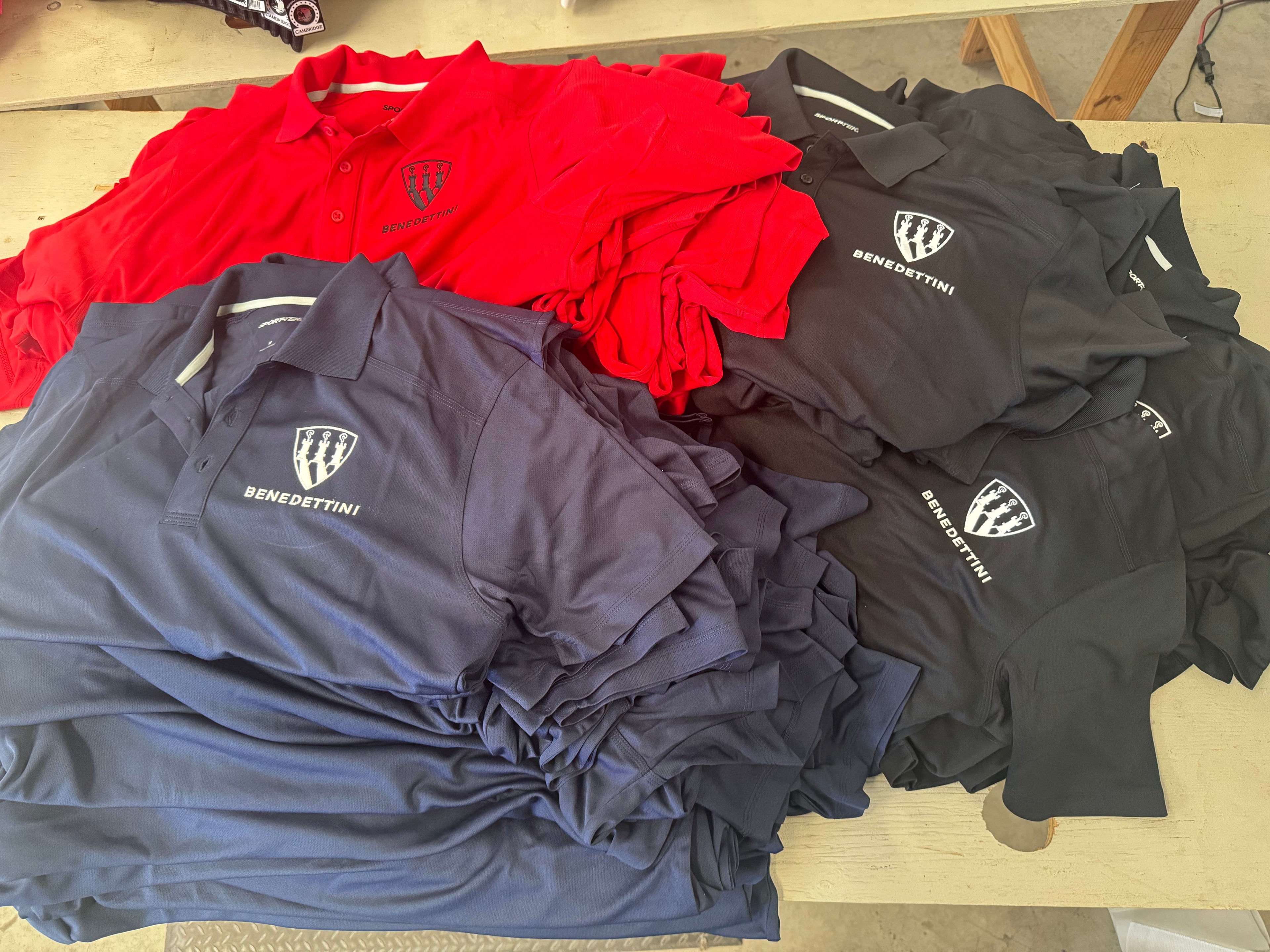
Bulk embroidery is most often used for employee uniforms, corporate apparel, safety wear, and branded garments that require a long-lasting finish. Businesses rely on our embroidery for logos and identification that must withstand frequent wear and laundering while maintaining a professional look.
Embroidery is especially common in industries where consistency and durability matter more than short-term promotional use.
Garments Commonly Used for Bulk Embroidery
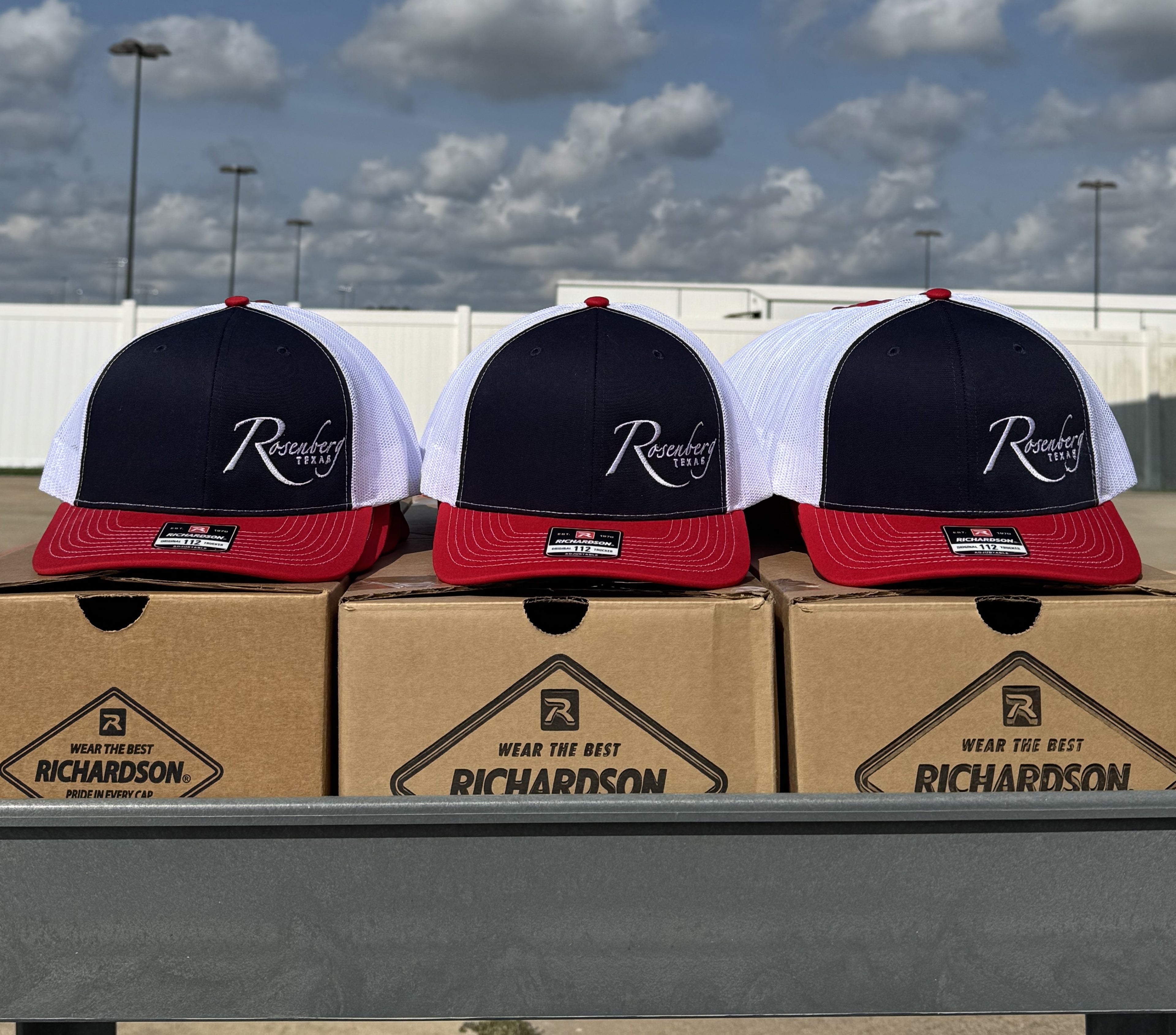
Embroidery is typically applied to polos, button-down shirts, jackets, hoodies, hats, and workwear. Garment selection plays an important role in stitch quality, durability, and overall appearance.
For bulk programs, businesses often standardize garment styles and colors to support consistency across teams and future reorders.
Embroidery Production Methods at Scale
Commercial embroidery is produced using multi-head embroidery machines designed for repeatable, high-volume output. Artwork is digitized to ensure accurate stitch paths, sizing, and thread usage before production begins.
Once approved, embroidery is produced using standardized settings to maintain uniform results across the entire order.
Thread Types, Stitch Density, and Durability
Commercial embroidery typically uses high-quality polyester threads selected for strength, colorfastness, and resistance to wear. Stitch density and thread count are adjusted based on fabric type, logo size, and intended use.
These factors directly affect the durability and appearance of embroidered garments over time.
Artwork Preparation and Proof Approval
Before production, artwork is reviewed and prepared for embroidery. This process ensures proper sizing, placement, and stitch structure. A proof is provided for approval so expectations are clearly established before production begins.
Proof approval is a critical step in maintaining accuracy across bulk and repeat orders.
Planning Bulk and Repeat Embroidery Orders
Businesses managing uniform programs or multi-location teams often plan embroidery orders in advance. Establishing consistent specifications allows repeat orders to be produced more efficiently and with fewer revisions.
Advance planning helps support predictable timelines and consistent branding across locations.
Quality Control and Order Consistency
Bulk embroidery programs rely on quality checks to ensure stitching accuracy, thread consistency, and placement alignment. Standardized production processes help maintain uniform results across large quantities and future reorders.
Consistency is especially important for organizations operating across multiple teams or locations.
Bulk Embroidery FAQs
What qualifies as a bulk embroidery order?
Bulk embroidery typically involves larger quantities, repeat production runs, or uniform programs where consistency across garments is required.
What types of garments can be embroidered?
Embroidery is commonly used on polos, hats, jackets, hoodies, work shirts, and uniforms. Fabric type and construction affect suitability.
How many colors can be used in an embroidered logo?
Most embroidery designs include multiple thread colors. The exact number depends on design complexity and production requirements.
How long does bulk embroidery production usually take?
Production timelines vary by order size and complexity. Most bulk embroidery orders are completed within standard production windows after artwork approval.
Is there a minimum quantity for bulk embroidery?
Minimum quantities depend on production setup, though embroidery is typically more efficient when produced in batches.
Can embroidered items be reordered later?
Yes. Once specifications are established, repeat orders can often be produced with consistent results.
How should embroidered garments be cared for?
Washing embroidered garments inside out using cold water and air drying helps preserve stitch quality and thread color.
Can detailed logos be embroidered?
Many detailed logos can be embroidered, though fine details may be adjusted to ensure clean stitching and long-term durability.
What file formats are recommended for embroidery artwork?
High-resolution vector or print-ready files such as AI, PDF, or EPS formats are commonly preferred.
Is embroidery suitable for long-term uniform programs?
Yes. Embroidery is widely used for long-term programs due to its durability and professional appearance.